What Is Artemis II? Launch Date, Crew, And NASA’s Next Moon Mission Explained
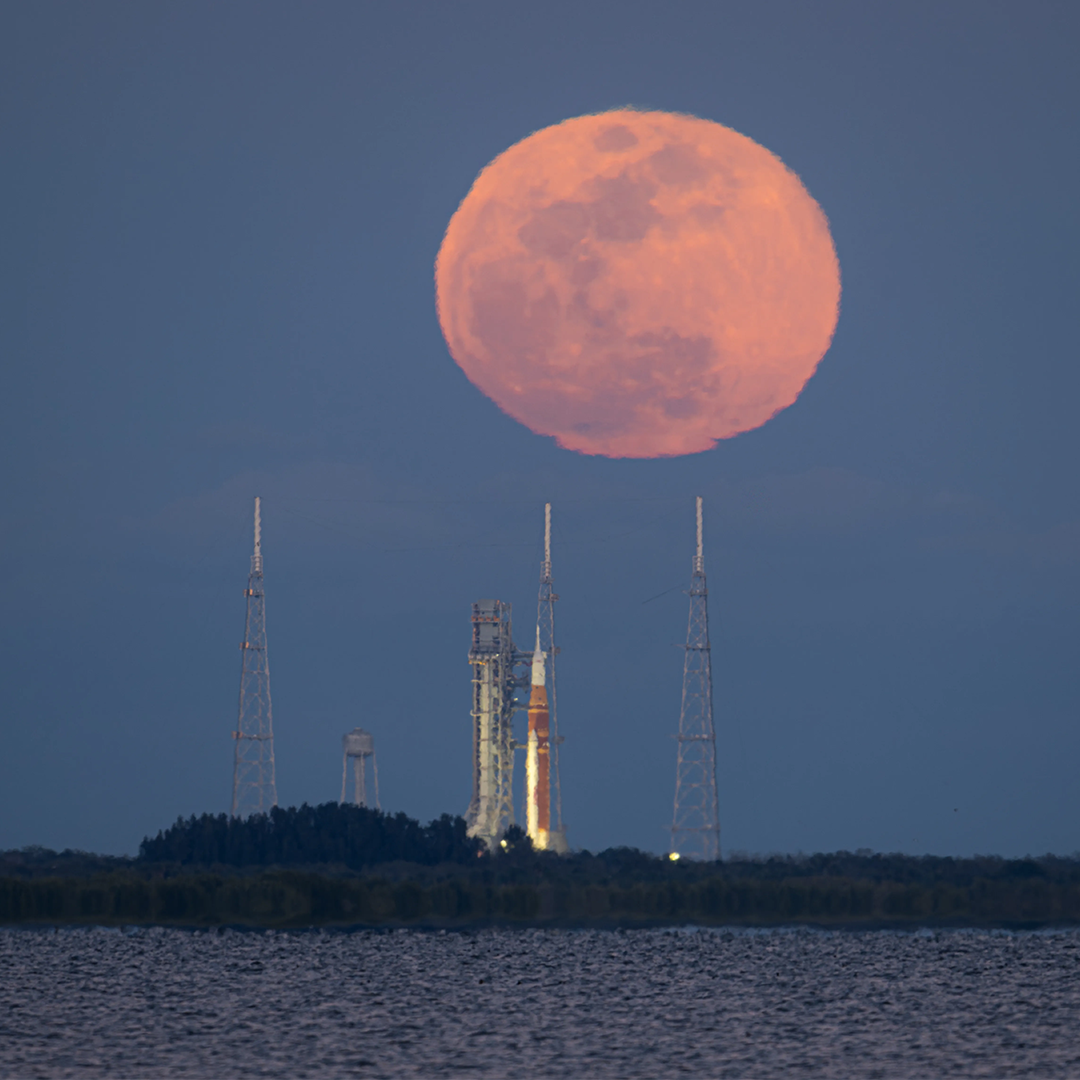
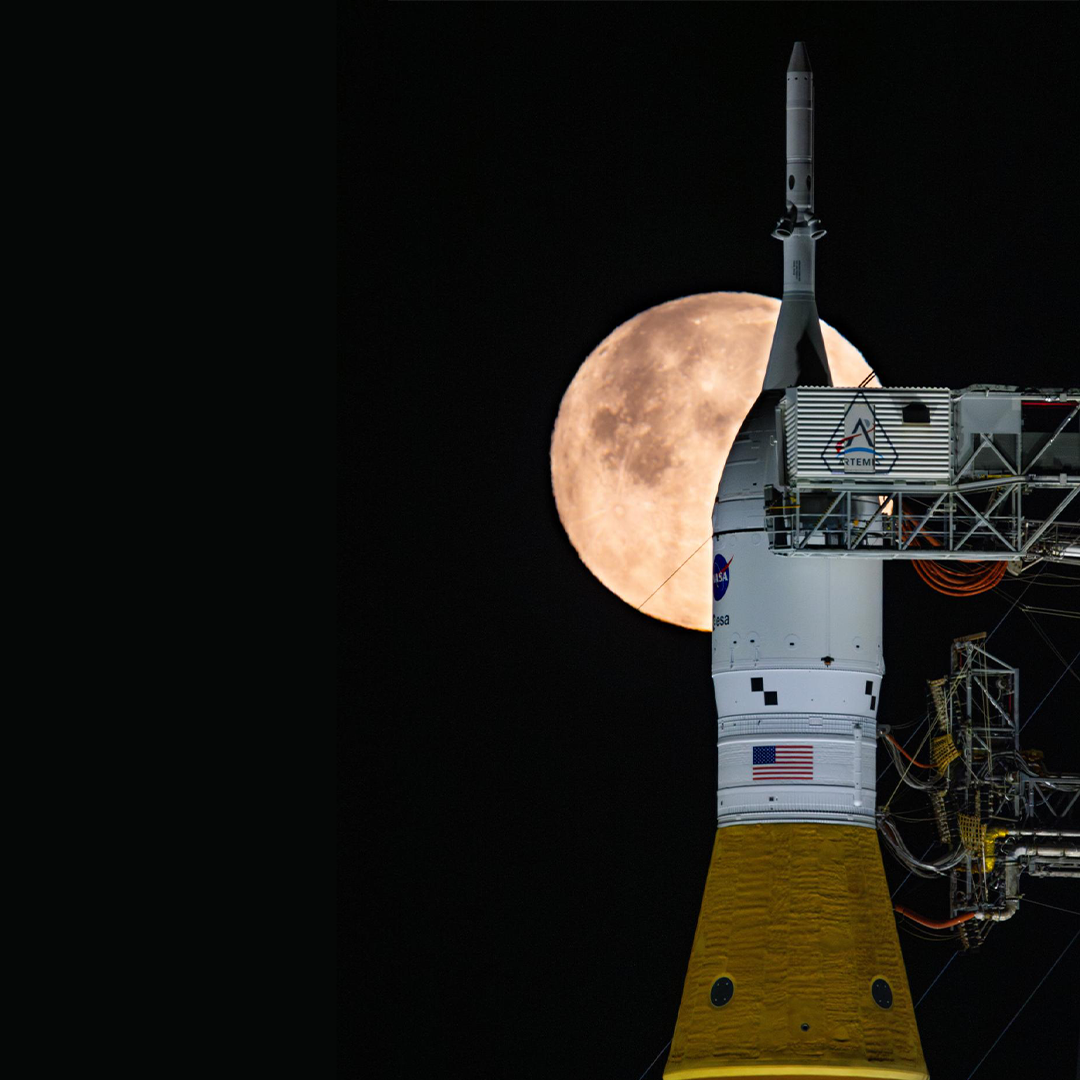
Header Image: The full Moon rises behind NASA’s Artemis II Space Launch System (SLS) rocket and Orion spacecraft, Sunday, Feb. 1, 2026, at NASA’s Kennedy Space Center in Florida. Image credit: NASA/John Kraus
This blog was originally published on February 13, 2026, and was updated on February 23 and April 1, 2026 with the most up-to-date information on the launch of NASA’s Artemis II mission.
We’ll continue updating this blog with the latest news on the Artemis II mission, so check back soon or subscribe to our newsletter to get the latest space updates straight to your inbox.
Earth’s Moon has captivated humanity ever since our distant ancestors first looked up at it. We saw its phases with the naked eye and our earliest telescopes showed us its plains, mountains, and craters. We wondered what it was like to go there. In 1969, humanity achieved the impossible and sent humans to the Moon in the Apollo program. Over 50 years later, we’re working to go back to the Moon with the Artemis program.
A Brief History of Lunar Exploration
When the Space Age began in 1957, it did not take long before the Moon became the primary exploration target. After learning how to live in space and operate our spacecraft during the Mercury and Gemini programs, NASA’s successes in the Apollo program drew us ahead of the Soviet Union and put the United States’ science, engineering, technology, and industrial might on worldwide display.
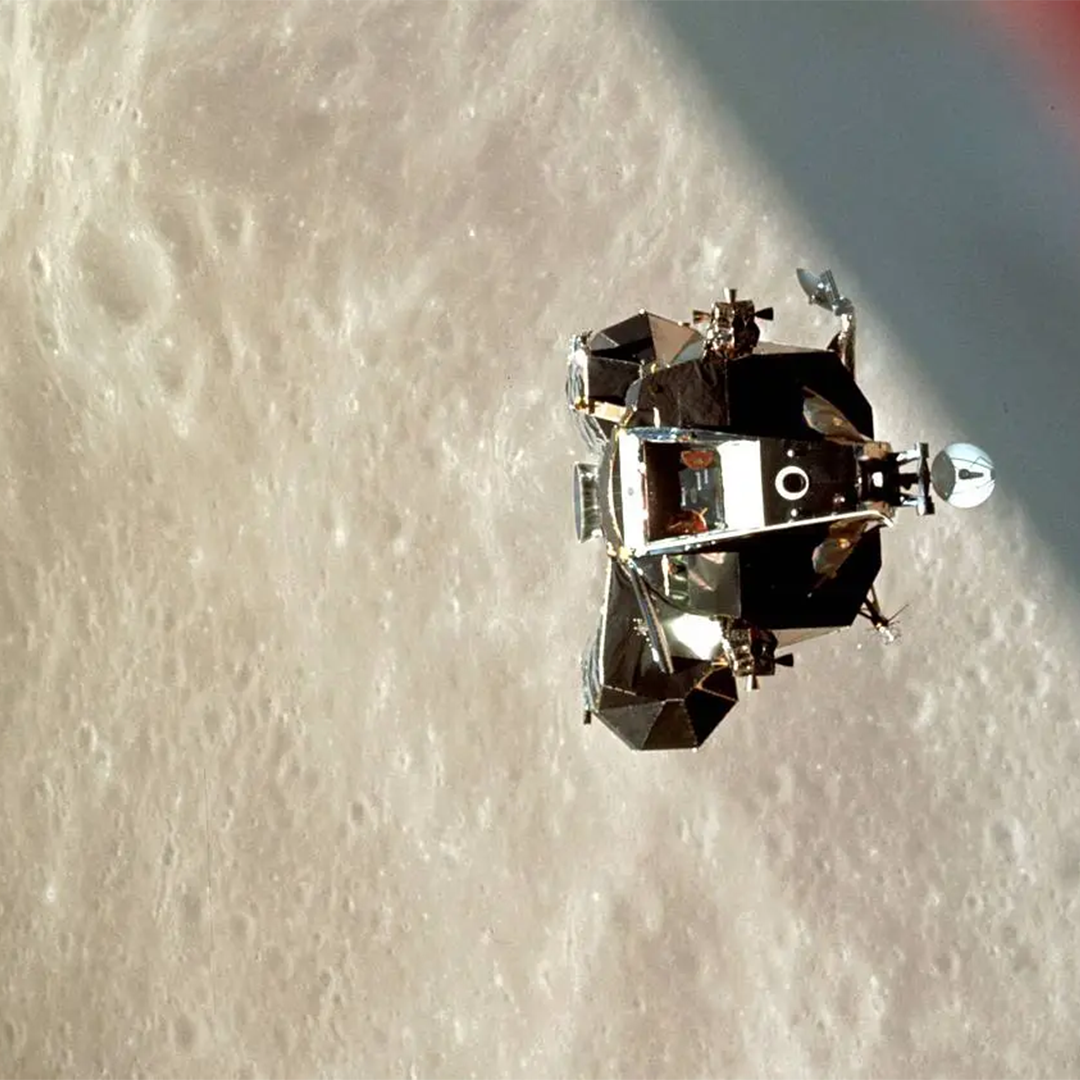
After the Apollo 7, 8, 9, and 10 test flights in Earth orbit and Moon orbit in 1968 and 1969, NASA accomplished Apollo 11’s successful Moon landing in July 1969. From 1969 to 1972, twelve astronauts walked and worked on the Moon during the Apollo 11, 12, 14, 15, 16, and 17 missions. To date, the United States is the only country to have landed astronauts on the Moon.
Why Did We Go To The Moon?
Putting people on the Moon was the main reason for going there, but it was not the only reason: scientific discovery was an important part of the effort, too. Thanks to the data from dozens of science instruments placed on the Moon and from studying hundreds of pounds of rocks brought back from the lunar surface, we learned how old the Moon is and started to constrain the scientific models to explain how the Moon originally formed.
What Happened After The Apollo Missions?
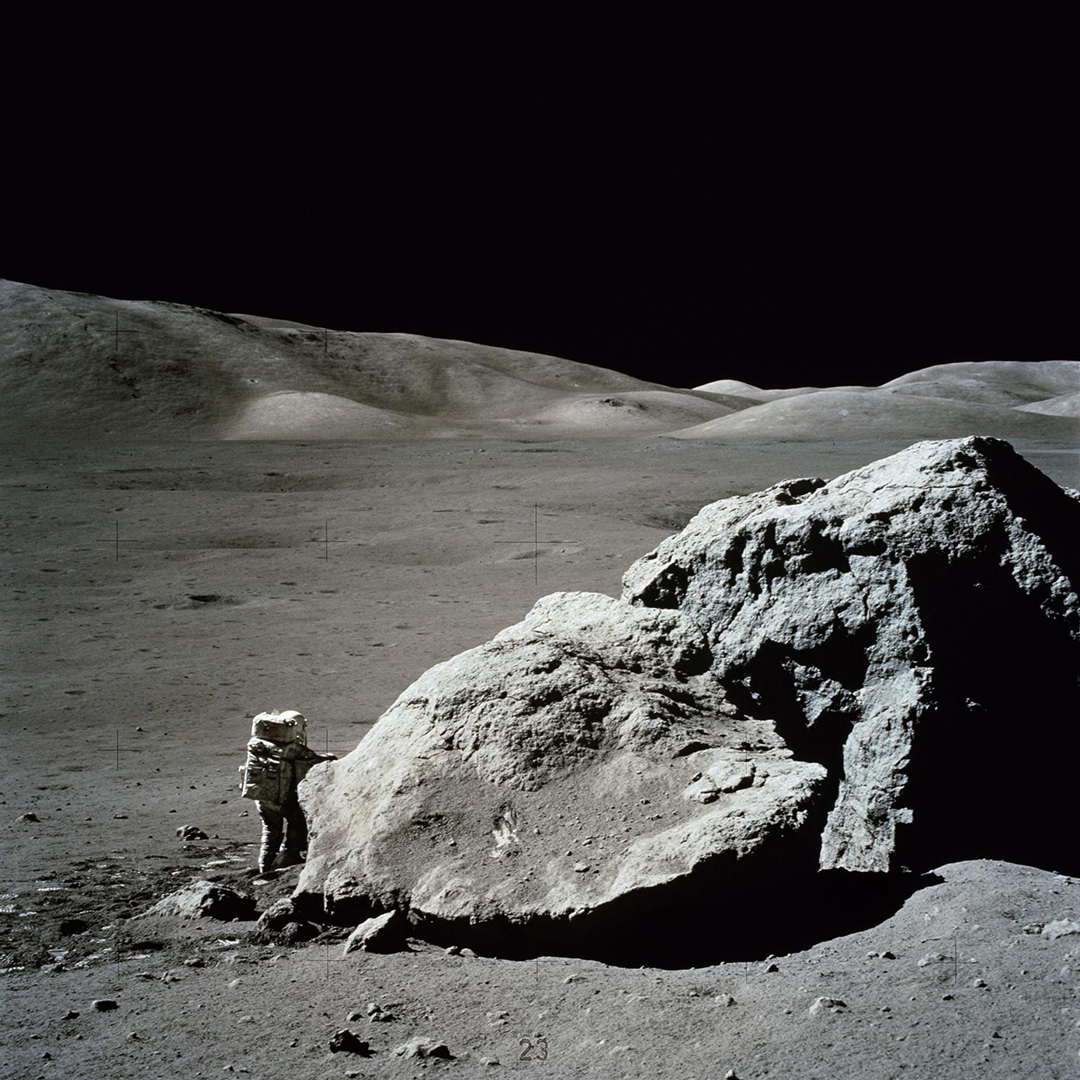
Apollo 17’s astronauts left the surface of the Moon on December 14, 1972, and since then, humans have not returned. NASA’s attention in the 1980s, 1990s, and 2000s was mainly focused on the space shuttle program, constructing and completing the International Space Station (ISS), and building and operating hundreds of spacecraft and telescopes to explore our Earth, Sun, Solar System, and the rest of the universe.
Slowly, scientists have been turning our attention back to the Moon. There is so much more we still want to know about Earth’s closest neighbor in space! Uncrewed orbiters, landers, impactors, and rovers from space agencies and private companies in the United States, the Soviet Union, Russia, China, Japan, the European Space Agency, India, Pakistan, and South Korea have all explored our Moon.
NASA’s Artemis Program
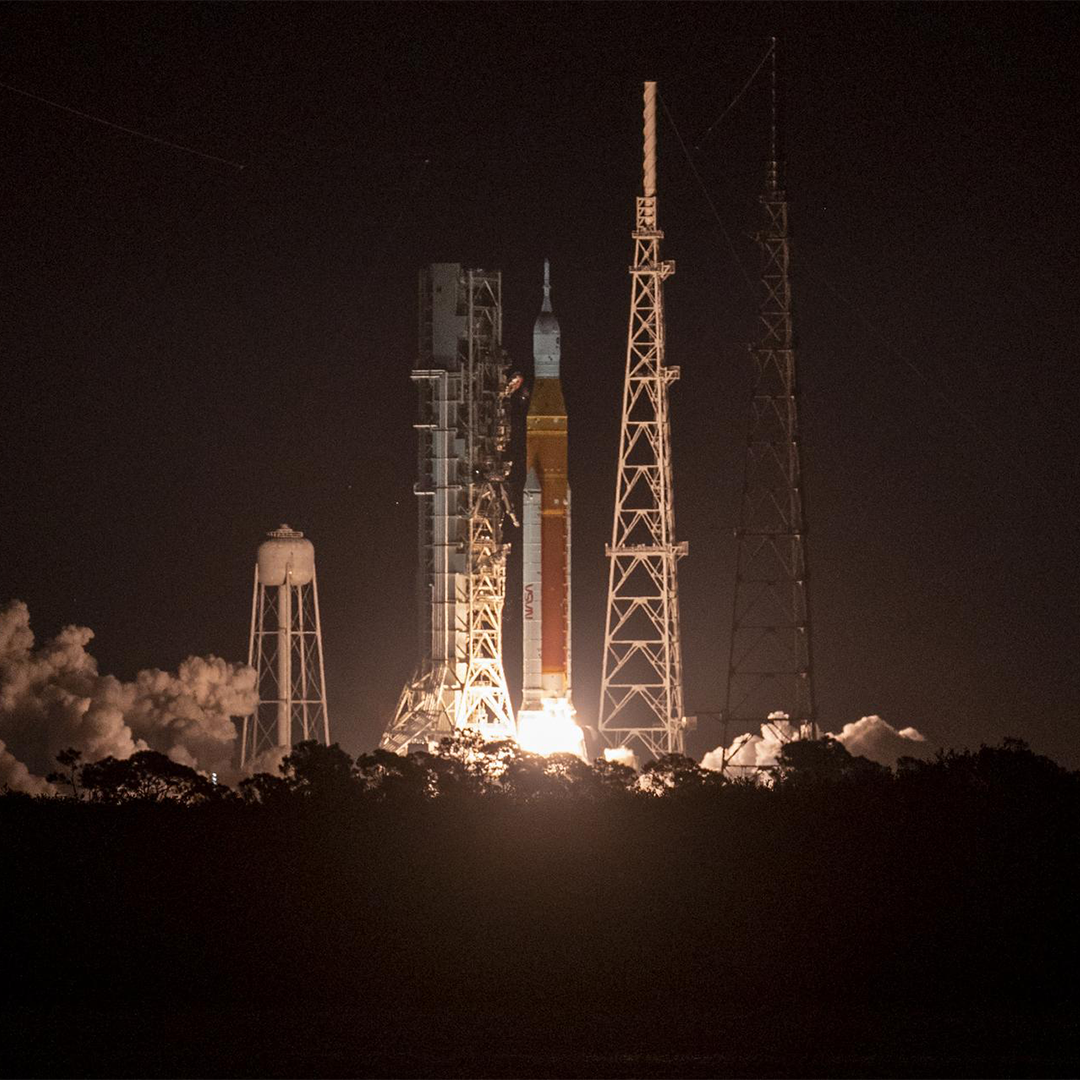
NASA began making plans to return people to the Moon starting in the mid-2000s, including work on new rocket designs and spacecraft to get us there. In 2017, the Artemis program was established, building on the former Constellation program efforts of the prior decade.
Why Are We Going Back To The Moon?
The goals of Artemis are to return humans to the surface of the Moon and to lay the groundwork for future long-term human presence there. Artemis is working towards landing people near craters at the Moon’s largely unexplored south pole. The program is also working to establish a long-term presence in lunar orbit aboard a new space station called Gateway. The first mission in the program, Artemis I, was an uncrewed test mission that successfully flew SLS and Orion in November–December 2022.
Artemis is a complex program featuring:
- A heavy-lift rocket called Space Launch System (SLS)
- A crew-carrying spacecraft named Orion
- Partnerships with Canada, the European Space Agency, Japan, and other countries to provide hardware, expertise, and astronauts
- Dozens of contracted private companies such as Blue Origin, Intuitive Machines, Firefly Aerospace, SpaceX, and many others. Private companies will first bring science instruments to the Moon and, later, their hardware will bring astronauts to the lunar surface from lunar orbit.
Artemis II: The Next Crewed Mission To The Moon
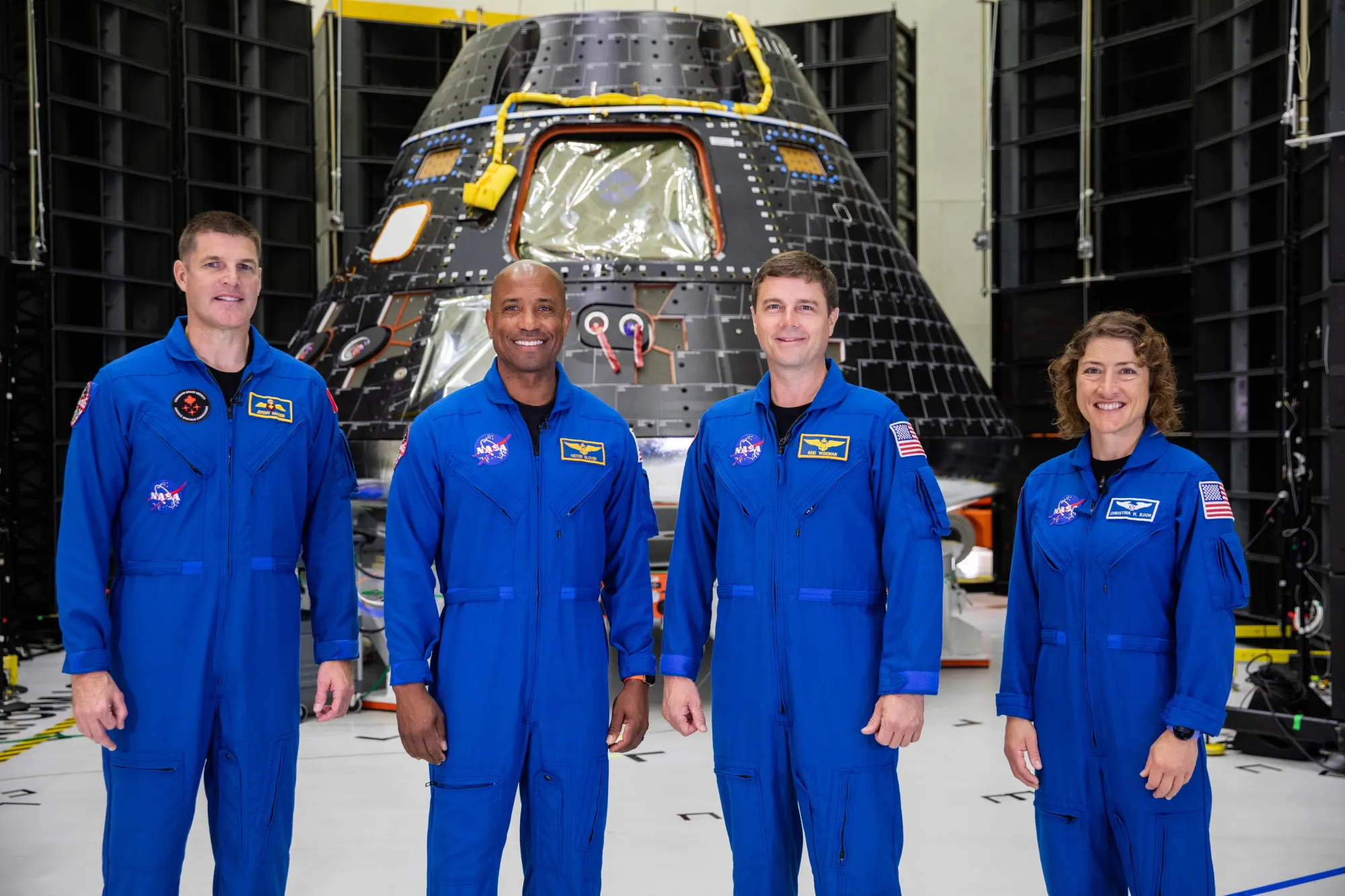
Artemis II is the next mission in the series, and it is the first one that will include a crew. For the first time since Apollo 17, humans will venture toward the Moon! Four astronauts will make the journey aboard their Orion spacecraft named Integrity. The outbound trip from Earth will last about four days, looping around the far side of the Moon. They’ll be about 4,600 miles beyond the Moon’s surface—around 230,000 miles from Earth—which will be the farthest humans have ever traveled.
The Integrity spacecraft will not go into lunar orbit or land astronauts on the Moon. Rather, the crew will focus on performing critical tests of various systems that will be used in future lunar missions, such as Artemis III. During the four-day return trip, the astronauts will continue to evaluate the spacecraft’s systems, before landing in the Pacific Ocean.
Who Is On The Crew Of Artemis II?
Artemis II will carry four astronauts representing the United States and Canada. The crew includes the first woman, the first person of color, and the first Canadian to travel beyond low Earth orbit. Artemis II crew members include:
- Commander: Reid Wiseman
- American. Prior experience: 165 consecutive days in space, flew aboard the ISS
- Pilot: Victor Glover
- American. Prior experience: 168 consecutive days in space, flew aboard the ISS
- Mission Specialist: Christina Hammock Koch
- American. Prior experience: 6 spacewalks, 328 consecutive days in space (longest single duration for any woman!), flew aboard the ISS
- Mission Specialist: Jeremy Hansen
- Canadian. Prior experience: Served as capcom (the voice between mission control and astronauts in space), Artemis II is his first spaceflight.
Artemis II Launch Updates
Artemis II Launch Update: April 1, 2026
NASA’s Artemis II mission is set to launch on April 1, 2026. The launch is scheduled for 5:24 pm CT, and the window is 5:24–7:24 pm CT. 80% chance of good weather at least at some point during that window. The mechanical issues have been fixed/resolved to NASA’s satisfaction.
If the mission cannot launch on April 1, the next available launch window dates and times are:
- April 2: 6:22 pm CDT
- April 3: 7:00 pm CDT
- April 4: 7:53 pm CDT
- April 5: 8:40 pm CDT
- April 6: 9:36 pm CDT
- April 30: 5:06 pm CDT
Artemis II Launch Postponement: February 23, 2026 Update
As of February 23, 2026, the launch of Artemis II has been delayed until April 2026 at the earliest.
NASA identified a problem with the flow of helium to the SLS rocket’s upper stage that has delayed the launch. This will require rolling the SLS from the launch pad back to the Vehicle Assembly Building (VAB). Helium is used to pressurize the upper stage’s fuel tanks and to purge the upper stage engine of any remaining oxygen and hydrogen. Helium is an inert chemical, meaning it won’t react with anything—so it’s a good material to use for these purposes.
The system worked during the dress rehearsal on February 19, 2026, but the problem was found while they were returning the rocket to normal operation post-rehearsal. NASA is currently looking at possible causes of the helium flow problem.
The March Artemis II launch dates are no longer an option and the crew has been released from quarantine. The SLS rollback to the VAB could be as early as February 24, but the exact date and timing will depend on the wind forecast.
When Is Artemis II’s Launch Date?
Artemis II could launch no earlier than:
- April 1: 5:24 pm CDT
- April 3: 7:00 pm CDT
- April 4: 7:53 pm CDT
- April 5: 8:40 pm CDT
- April 6: 9:36 pm CDT
If launch is not possible during these dates, the next available date is April 30. Whether these dates are actually available will depend on how long it will take to identify and fix the problem.
Artemis II Launch Dates As Of February 13, 2026
On February 2 and 3, 2026, NASA conducted a “wet dress rehearsal” to go through an entire simulated countdown, loading, and unloading of 700,000 gallons of liquid hydrogen and liquid oxygen aboard Artemis II’s SLS rocket for the first time.
Several problems occurred throughout the rehearsal event. There were periodic liquid hydrogen leaks due to issues with a few seals, and it took longer than planned for the ground crew to finish all of their countdown tasks. Additionally, there were periodic dropouts in audio communications, and cold weather affected some cameras and equipment.
NASA will first work on fixing the various problems that occurred before conducting a second wet dress rehearsal.
Artemis II is currently scheduled for “no earlier than” March 2026. Specific launch windows depend on mission readiness and final testing of the Space Launch System (SLS) rocket. Available launch dates and times are:
- March 6 at 7:29 pm CST, launch window is 120 minutes
- March 7 at 7:57 pm CST, launch window is 120 minutes
- March 8 at 9:56 pm CST, launch window is 120 minutes
- March 9 at 10:52 pm CST, launch window is 120 minutes
- March 10 at 11:48 pm CST, launch window is 115 minutes
If the mission cannot launch by March 10, the next available launch dates are April 1, 3, 4, 5, 6, and 30, 2026.
These particular dates and times ensure that Earth and the Moon are in the right places in space for Integrity to get to where it needs to go. “No earlier than” means the launch won’t be before those dates, but it could either be during these dates or during a later set of dates, depending on the testing and required fixes.
As of the posting of the blog February 13, 2026, there is no confirmed launch date, only a set of available dates. NASA will choose a launch date pending their review of all of the results of repairs, testing, and the second wet dress rehearsal.
We’ll be updating this blog with the latest information on the Artemis II mission, so check back soon or subscribe to our newsletter to get the latest space updates straight in your inbox.