Adler Skywatch: December 2025
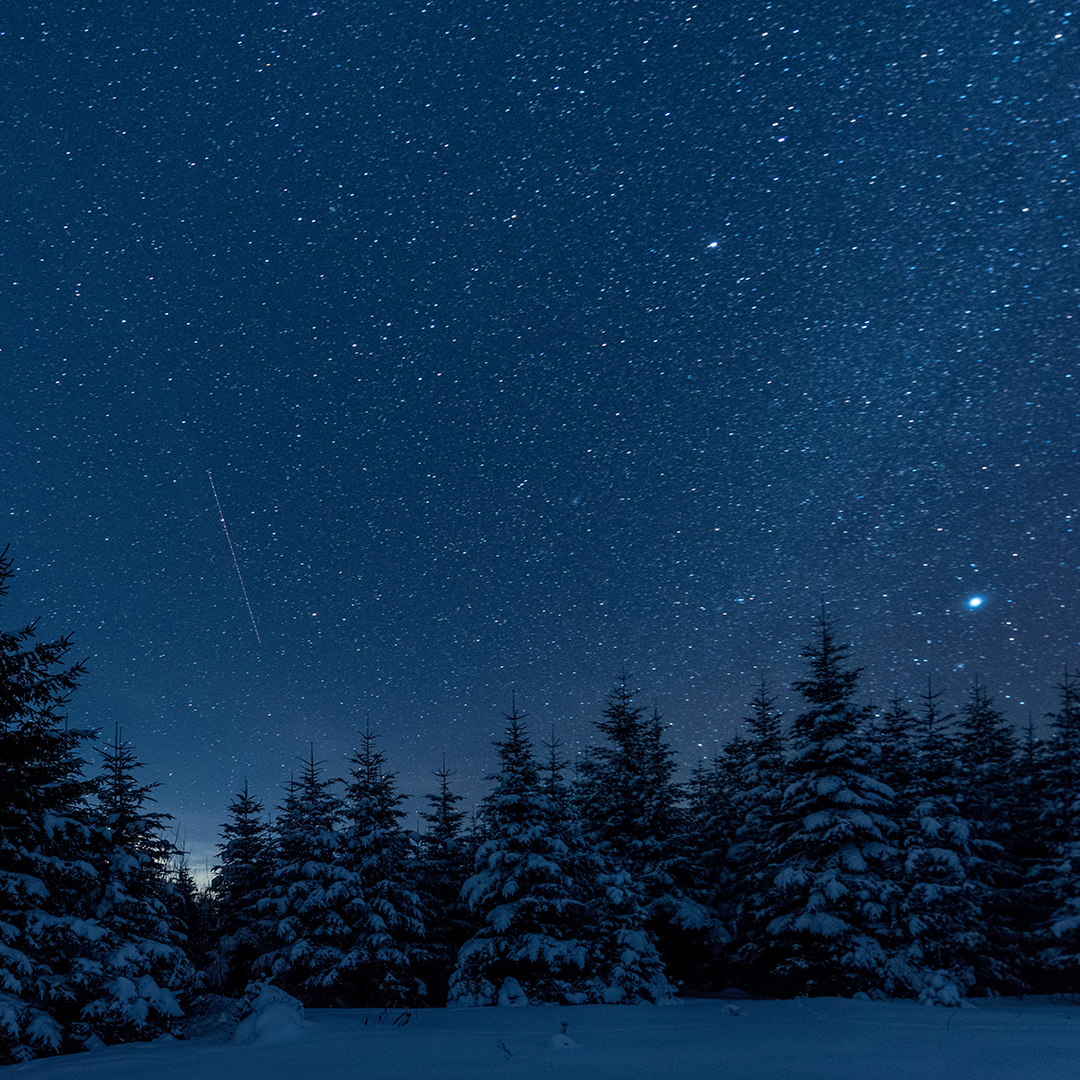
Header Image: A dark, star-filled sky above a snowy, forested landscape.
A full supermoon, a solstice, and not just one but two meteor showers are among the sky highlights for this month, December 2025.
The Last Supermoon Of 2025
Like the last two full Moons, December’s full Moon is considered a supermoon! It occurs when the full Moon is near its closest point to Earth in its orbit—also known as its perigee. This month, it falls on December 4, when the Moon and Earth will be roughly 222,000 miles apart.
December 2025 Meteor Showers
The Geminid Meteor Shower
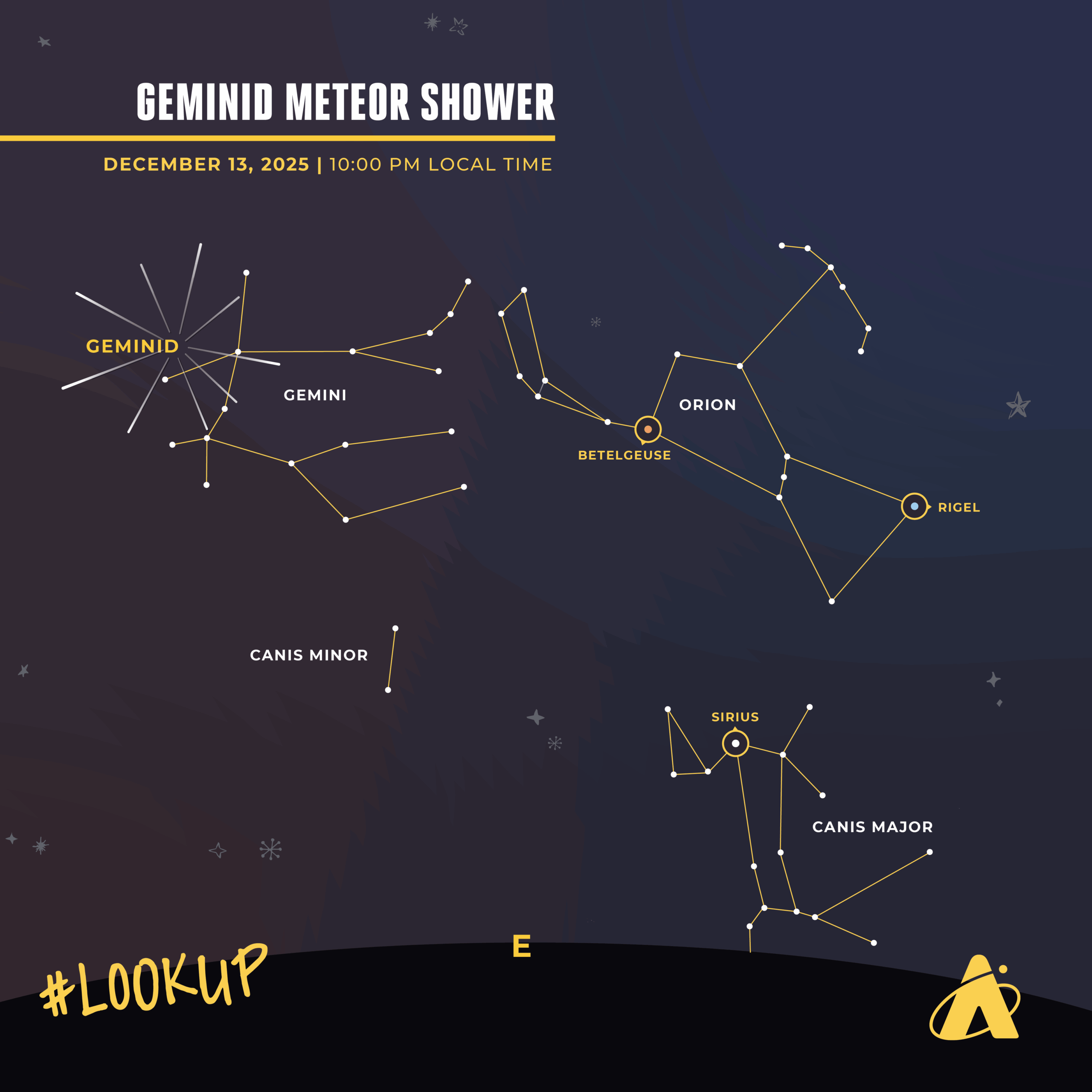
The annual Geminid meteor shower is considered one of the strongest meteor showers of the year. In 2025, it’s forecasted to peak on the night of December 13 and into the morning darkness of December 14. The waning crescent Moon shouldn’t cause too much viewing interference since it doesn’t rise until after 2:00 am CT on December 14, and it will be on the opposite side of the sky from the meteors’ radiant point in the constellation Gemini.
At its peak, nearly 100 meteors per hour may be visible under perfect viewing conditions. It must be very dark, with no extraneous light; and skies must be very clear. Under light-polluted skies, expect to see maybe a quarter to a third of that amount, at best. Be sure to bundle up—looking for meteors takes time and patience, especially in the middle of a cold night.
The Ursids Meteor Shower
The Ursids meteor shower is forecasted to peak the night of December 21 through morning of December 22. While it doesn’t boast as many meteors as the Geminid shower, this year the Ursids occur near the time of the new Moon, giving you a better chance to see meteors under the dark, Moonless sky.
Five to ten Ursids per hour are expected under dark skies at the shower’s peak, though occasional outbursts during this shower have resulted in counts of around 25 meteors per hour. Again, only about a quarter can be expected in light-polluted areas.
The Winter Solstice
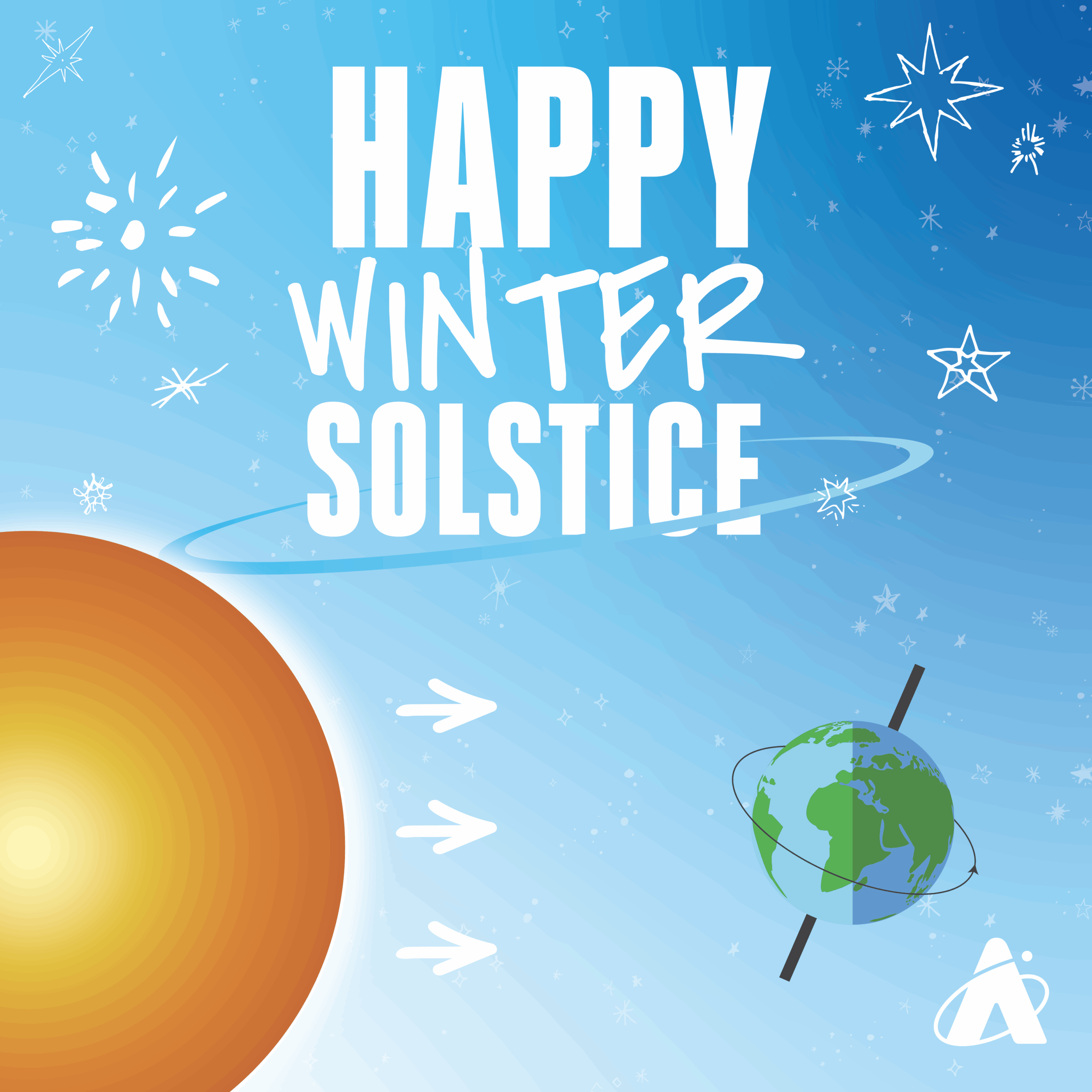
The winter solstice for 2025 occurs on December 21 at 9:03 am, marking the start of the winter season. On this day, the Earth’s North Pole is pointed furthest away from the Sun. In the Northern Hemisphere, this day experiences the least amount of daylight and longest period of darkness for the year. Since the South Pole is pointed closest toward the Sun at this time, the summer season begins in the Southern Hemisphere.
What Planets Are Visible This Month?
How To See Saturn
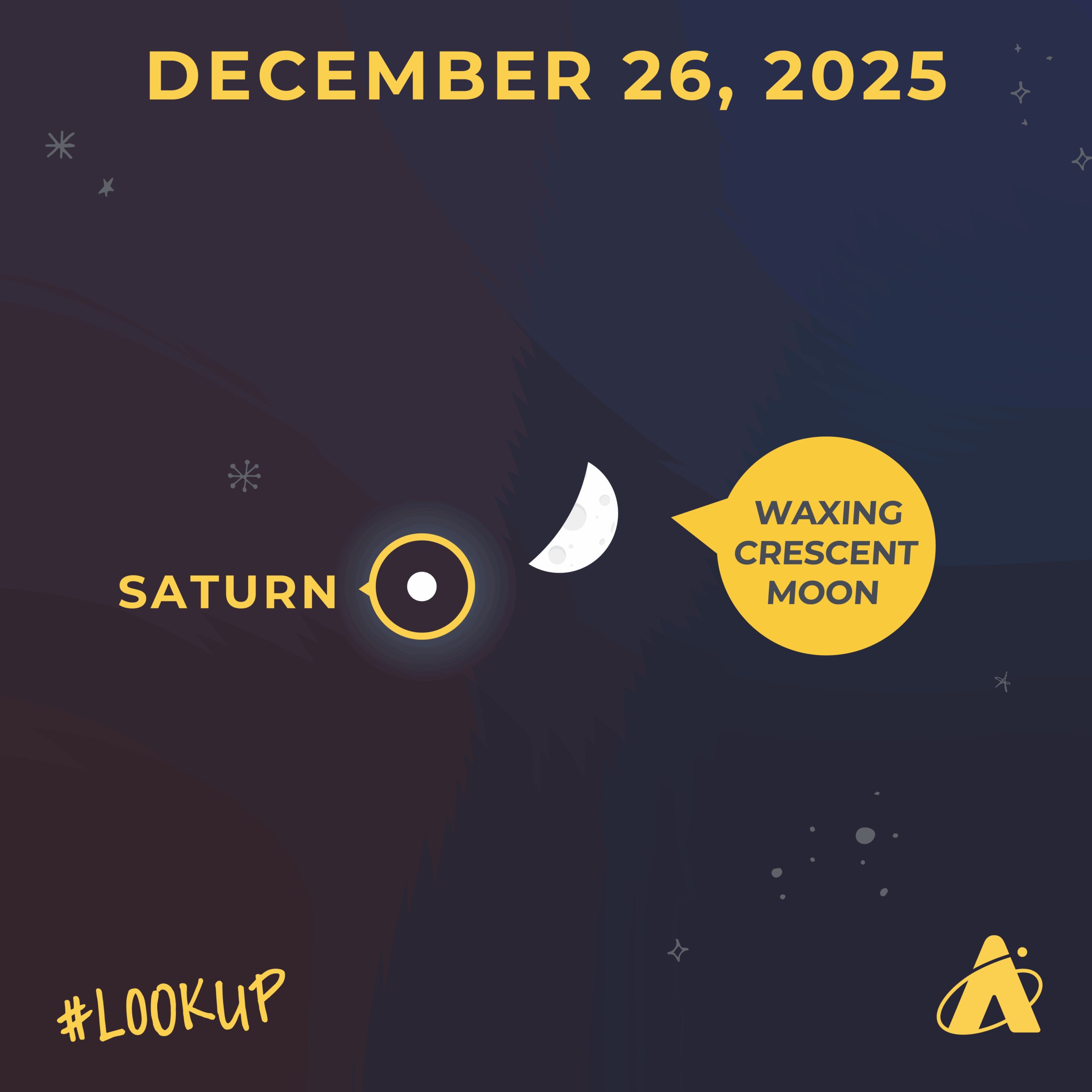
Around the end of evening twilight this month, look about halfway between the southern horizon and the zenith—or the point in the sky directly above you—to spot the planet Saturn. It’s slightly dimmer than first-magnitude in December. The night of December 26, Saturn appears near the lower “horn” of a waxing crescent Moon. Saturn sets in the west around 1:00 am at the start of the month and around 11:00 pm by the end of the month.
How To See Jupiter
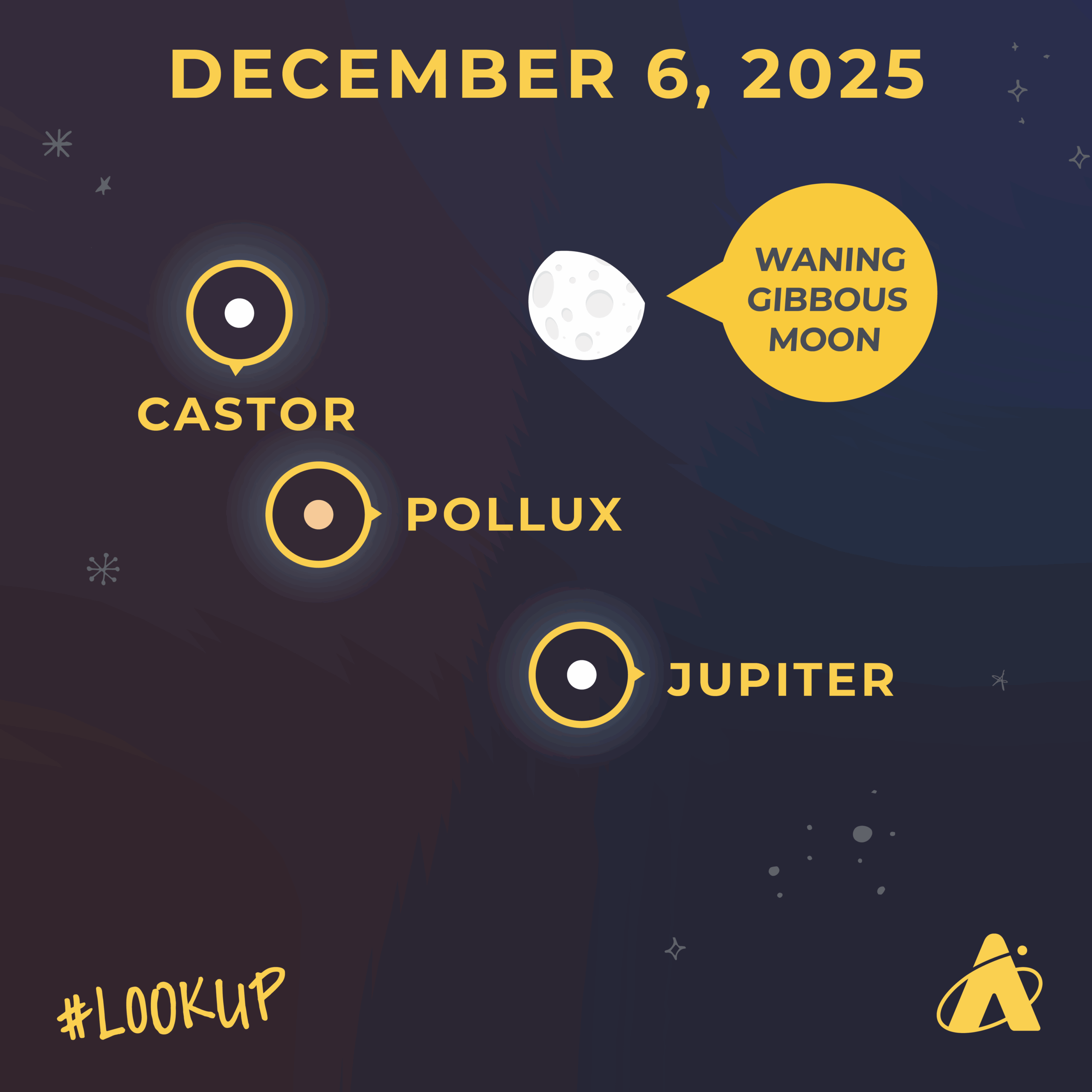
The bright planet Jupiter rises in the east-northeast around 7:30 pm on December 1, and shortly after 5:00 pm on December 31. It shines brighter than -2.5 magnitude this month. Like last month, it gets a little brighter each night. Also like last month, it appears near the “twin stars” of the constellation Gemini, Pollux and Castor. The night of December 6 through morning darkness of December 7, a waning gibbous Moon appears near Pollux, Castor, and Jupiter.
Jupiter reaches its highest point in the sky—about 70 degrees above the horizon—around 3:00 am at the beginning of the month, around 2:00 am in the middle of the month, and around 1:00 am by month’s end. At the beginning of December, it starts to fade into dawn’s light when it’s around halfway up from the western horizon. But later in the month, dawn arrives later, so it will get very close to the west-northwest horizon before the rising Sun blots it out.
How To See Mercury, Venus, And Mars
In the first half of December, about 45 minutes before sunrise, the planet Mercury may be visible rising in the east-southeast. Look about ten degrees above the horizon for the planet. However, you won’t get much time to look before the sky becomes too light. By December 16 or 17, Mercury will be too close to the Sun to be safely viewed.
Additionally, Venus and Mars appear too close to the Sun and will not be visible in December.
Moon Phases
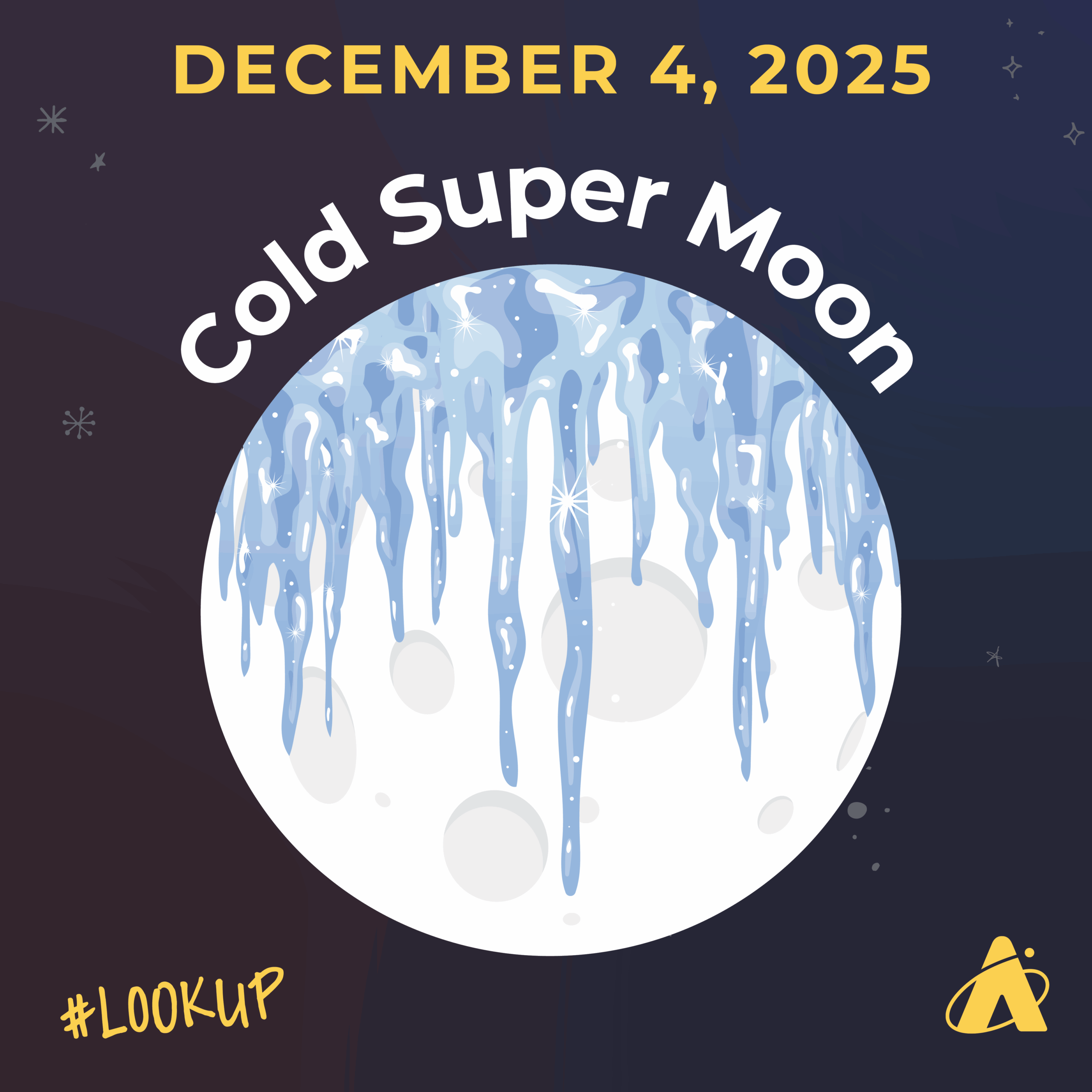
Full Moon: December 4
Last Quarter Moon: December 11
New Moon: December 19
First Quarter Moon: December 27
Please note: these descriptions are for the Chicago area, using Central time.
Subscribe To Skywatch Wednesday This December
Tour the sky with the Adler Planetarium’s Theaters Manager, Nick, in Skywatch Wednesday. Nick uses cutting-edge visualizations, NASA images, and astrophotography to show you what you can see in the night sky throughout the year.
Check out Nick’s latest episode to guide you through the autumn night sky. Learn how to see famous fall constellations like Pegasus, Cassiopeia, Cepheus, Andromeda, and Perseus. Nick also explains how to see the Pleiades star cluster, zodiac constellations Sagittarius and Taurus, Saturn with and without its rings, and Moon conjunctions!
Learn From Our Astronomy Educators
Watch recaps of Sky Observers Hangout livestreams this December! Learn how to observe upcoming cosmic happenings, enhance your astrophotography skills, and see celestial objects through a telescope virtually with our astronomy educators.
In their latest episode, Michelle and Hunter guide you through a tour of the zodiac constellations. Explore the historical connections between astronomy and astrology, learn what signs of the zodiac you can see in the sky this winter, and observe some of the wonders found hiding within these famous constellations.