Adler Skywatch: April 2026
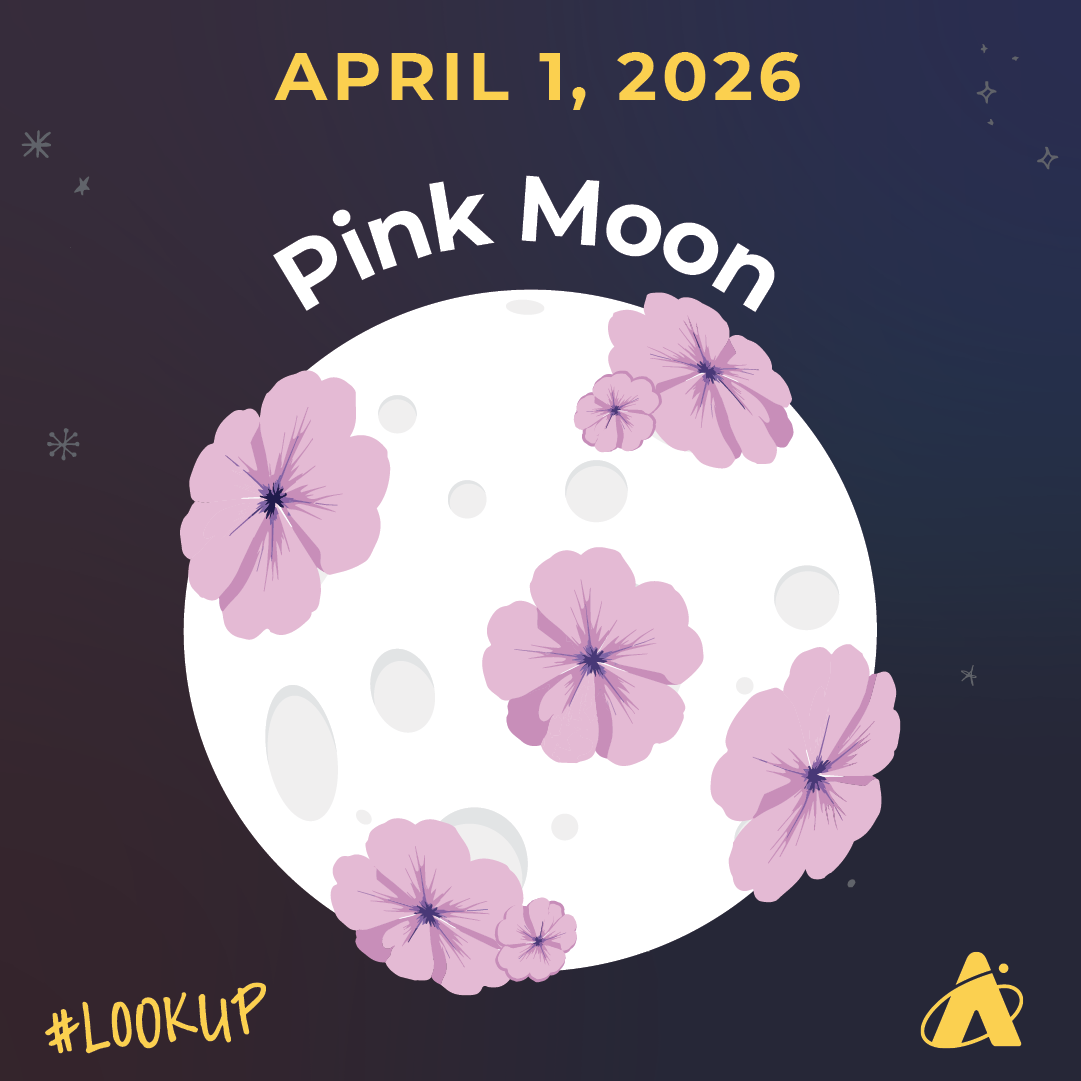
Header image: Adler Planetarium infographic of April’s full Moon on April 1, 2026—nicknamed Pink Moon.
The smallest planet in the solar system gets to show off for a short time this month, April 2026.
What Planets Are Visible In April 2026?
How To See Mercury In The Night Sky
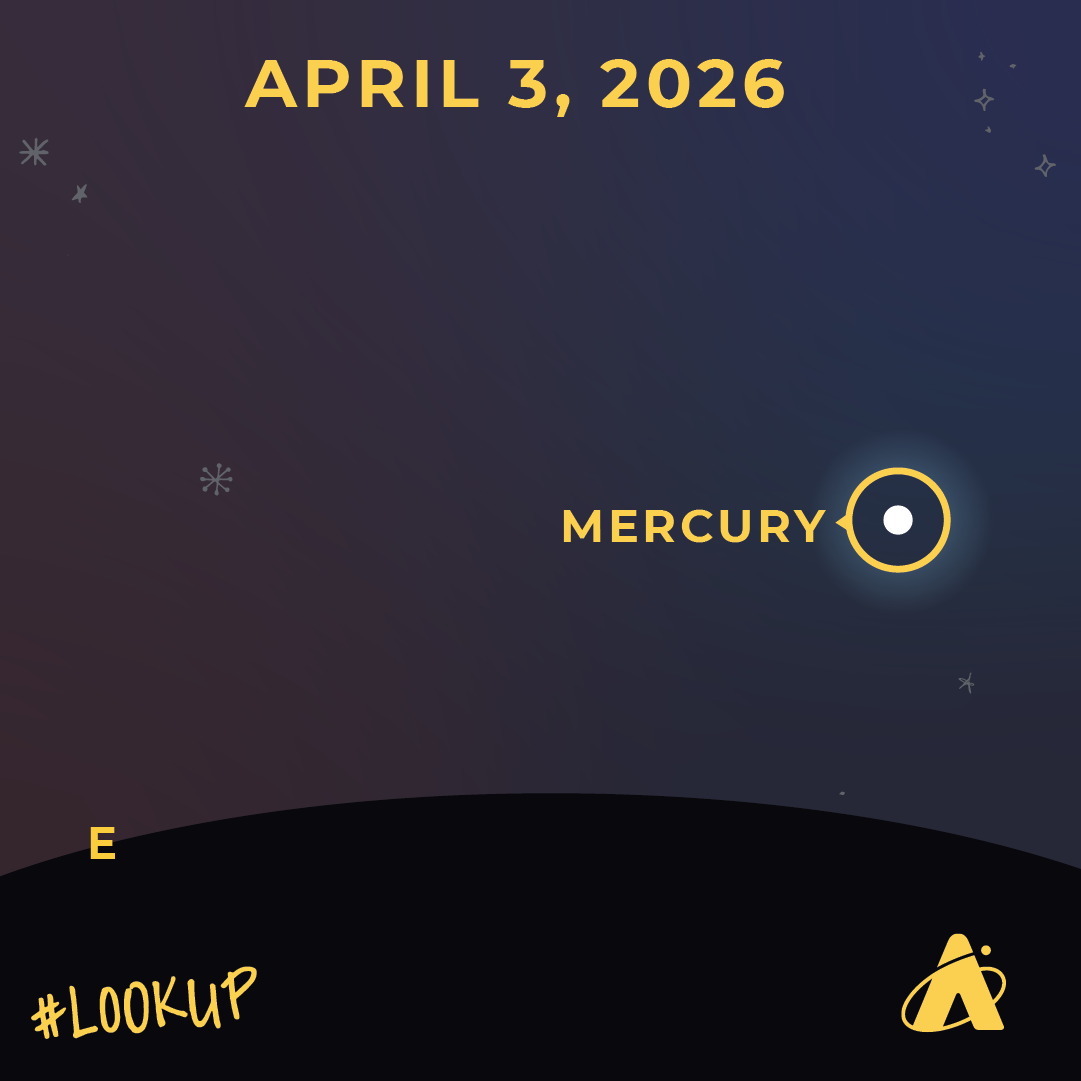
The usually hard-to-spot planet Mercury rises shortly before sunrise this month, a little south of due east. It starts the month at 0.4 magnitude and it gets a little brighter each day, reaching negative-numbered magnitudes by April 16 (the lower the magnitude number, the brighter the celestial object appears).
At the start of the month, Mercury rises nearly an hour before the Sun. However, the Sun rises earlier each day, and its glare makes it increasingly difficult to spot the planet. Try looking on or before April 19, when Mercury rises barely 40 minutes before the Sun. Once the Sun gets above the horizon, stop looking toward it or you risk permanent eye damage.
How To See Mars And Saturn
Mercury isn’t the only planet that’s near the Sun in the sky this month. On April 1, the planets Mars and Saturn appear, respectively, roughly ten and 20 degrees away from Mercury this month. By April 19, the three planets are within two degrees of each other, forming a tiny right triangle extremely low in the east.
Unfortunately, you’re likely to see only Mercury. Neither Mars nor Saturn are as bright as Mercury this month, and both appear closer to the Sun and to the horizon than Mercury does, so dawn’s glare will likely make them difficult if not impossible to see. Again, do not look toward the Sun once it’s up.
How To See Venus In The Night Sky
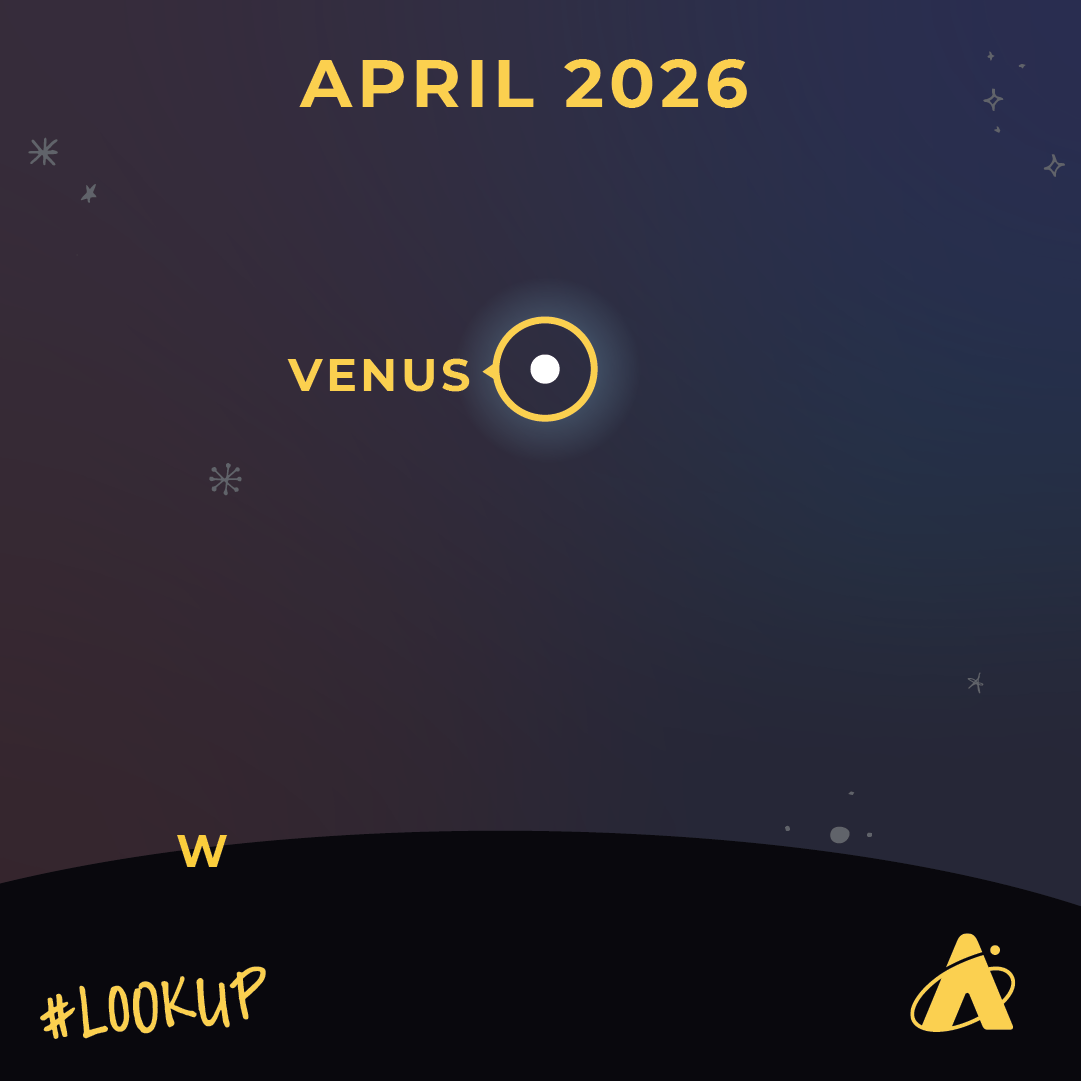
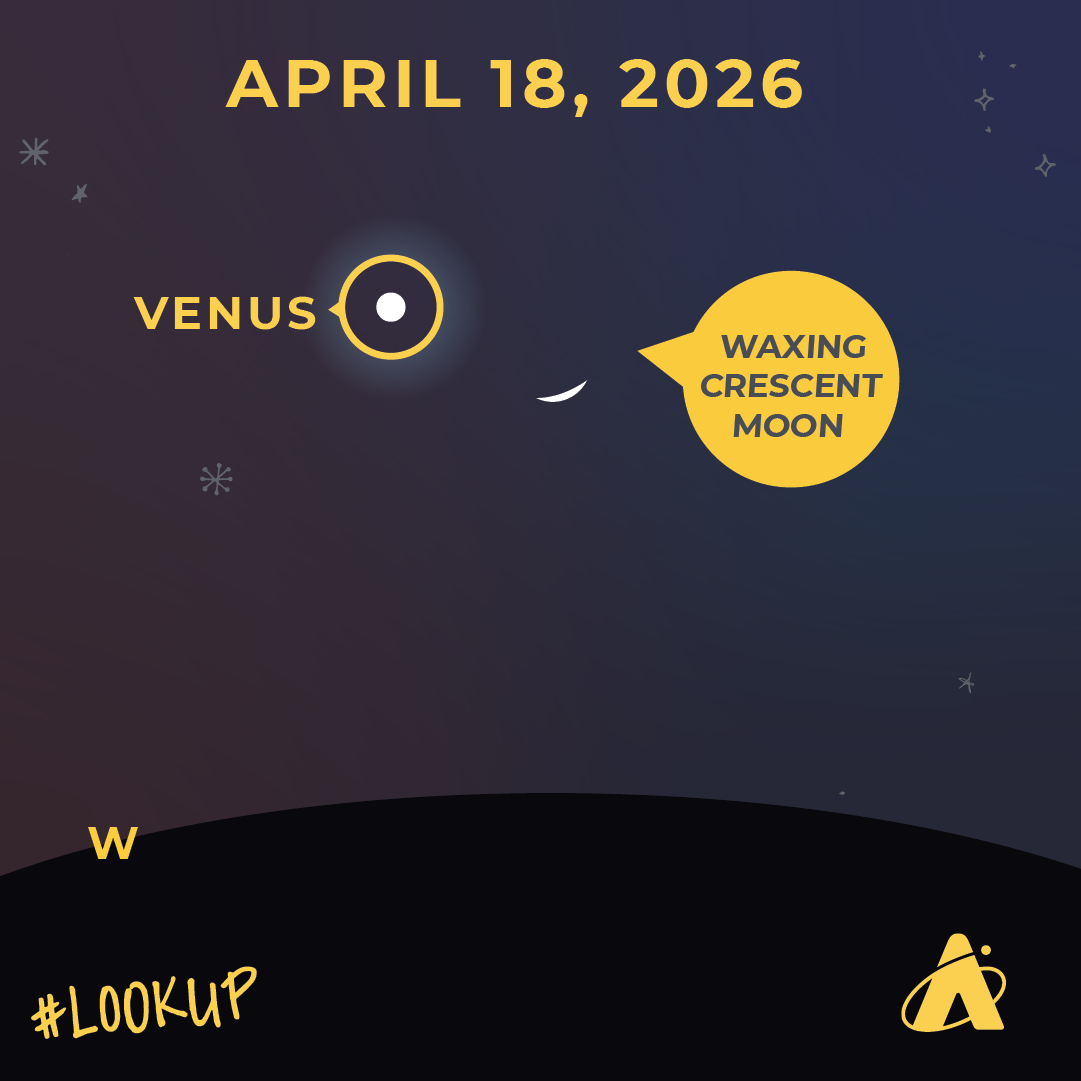
You won’t need to get up so early for the other naked-eye visible planets. The brightest planet, Venus, is just under –4 magnitude and appears very low in the west in evening twilight. Start looking for it about a half-hour after the Sun sets, slightly north of due west. Even though the Sun sets a little later each day this month, Venus moves slightly further away from the Sun’s position in the sky each evening. The evening of April 18, you may be able to spot an extremely slim crescent Moon, less than two days old, slightly to the right of Venus.
The next evening, April 19, the crescent Moon is a little larger and is just above the sparkly Pleiades star cluster, with Venus a few degrees below both. The evening of April 25, Venus is a few degrees to the left of the Pleiades. Venus sets at about 9:00 pm at the start of the month, and about 10:00 pm by month’s end.
Is Jupiter Visible This Month?
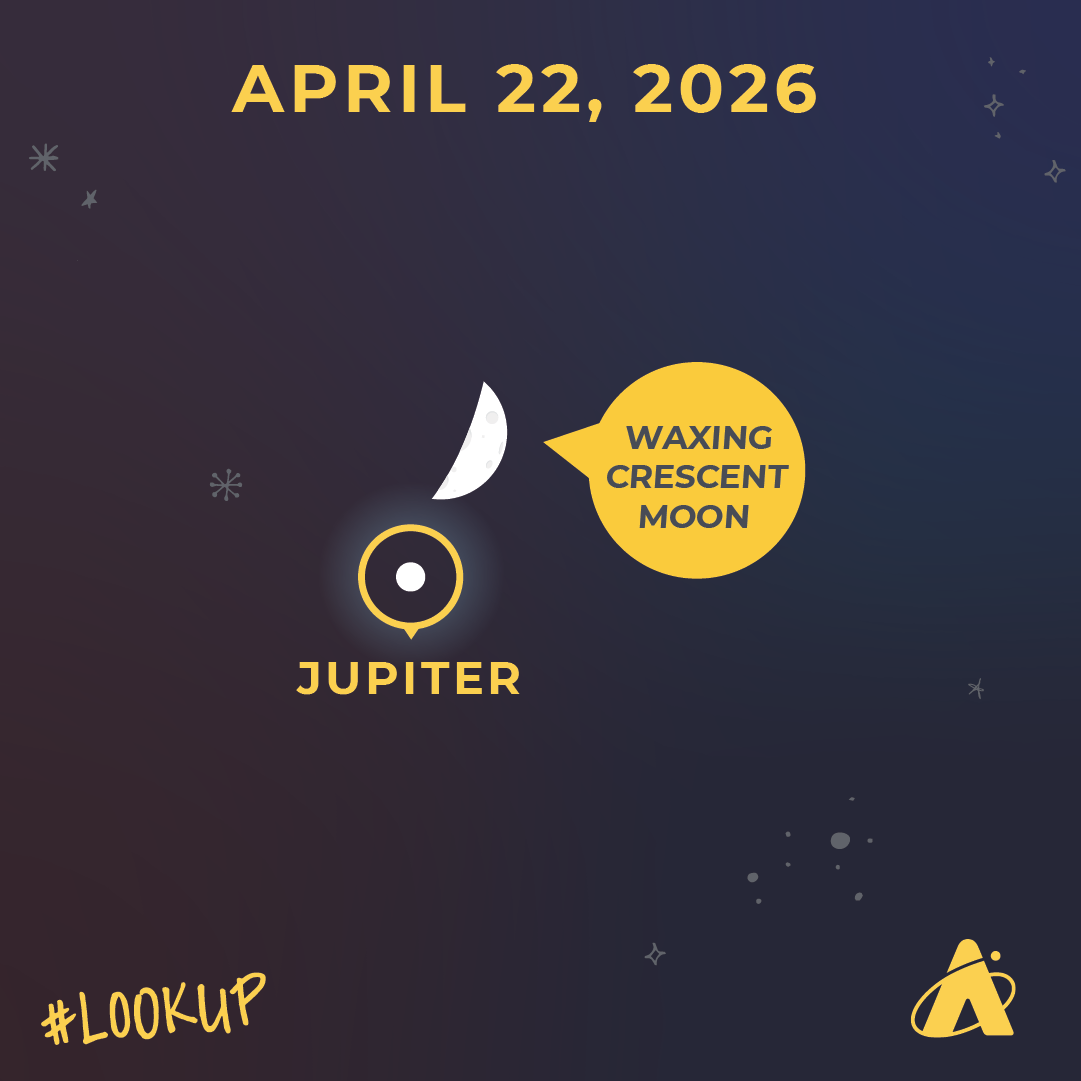
Once Venus sets, try spotting the planet Jupiter in evening twilight. It’s brighter than –2 magnitude—not quite as bright as Venus, but still brighter than any star in the sky. Jupiter is high in the southern sky early in the month and a little lower—but still high in the southwest sky—later in the month. Look for it about ten degrees below the stars Pollux and Castor in the constellation Gemini. The evening of April 22, a waxing crescent Moon appears just above Jupiter. The planet sets after 2:00 am at the start of the month, and around 1:00 am by month’s end.
Around mid-month, you may notice that Jupiter and Venus appear to be moving closer together in the southwestern sky. By the end of the month, the two brightest planets appear about 40 degrees apart in the sky. They will get even closer over the next two months, with a picturesque close encounter on June 9.
April 2026 Moon Phases
Full Moon: April 1
Last Quarter Moon: April 9
New Moon: April 17
First Quarter Moon: April 23
Please note: these descriptions are for the Chicago area, using Central time.
Explore What You Can See In The Spring Night Sky
Tour the sky with the Adler Planetarium’s Theaters Manager, Nick, in Skywatch Wednesday. Nick uses cutting-edge visualizations, NASA images, and astrophotography to show you what you can see in the night sky throughout the year.
Check out Nick’s latest episode to guide you through the spring sky! Learn what stars, planets, and constellations you can see this spring like Leo the Lion, Bootes the Herdsman, Virgo the Maiden, and the prominent stars, Regulus, Arcturus, and Spica. He’ll also share information on the vernal equinox and how to find Venus, Jupiter, and Mercury, and the Venus–Jupiter conjunction on June 8 and June 9.