Category: Astronomy 101
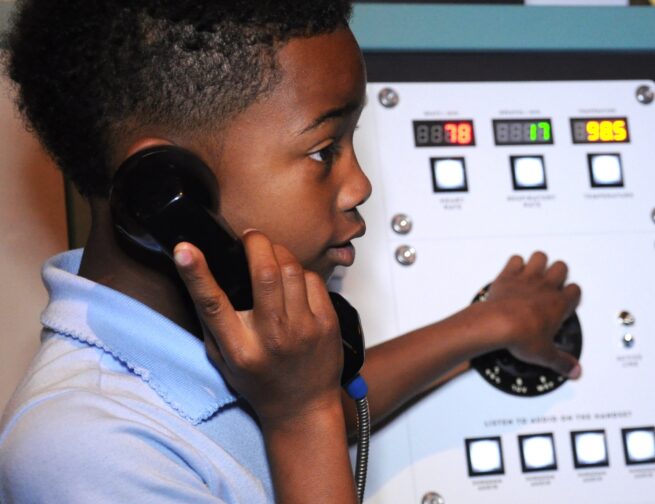
Can You Hear Sound In Space?
How does sound work in space? Explore the science of sound and what that means for sounds in space.
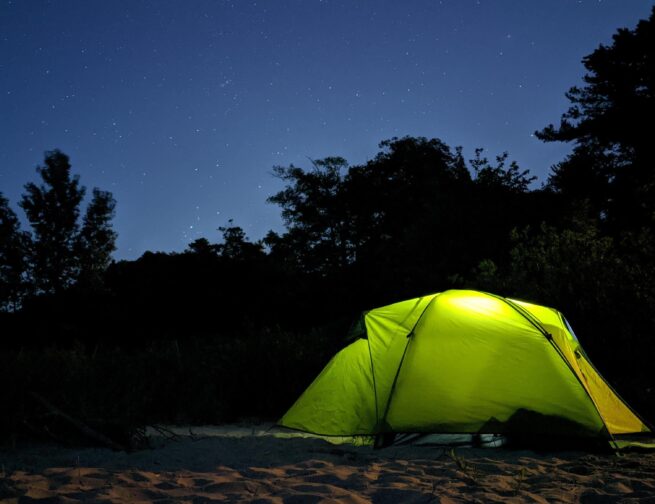
Sky Observing 101: Where To Go Stargazing In Chicago
Your guide to the best stargazing spots in Chicago and across the midwest.
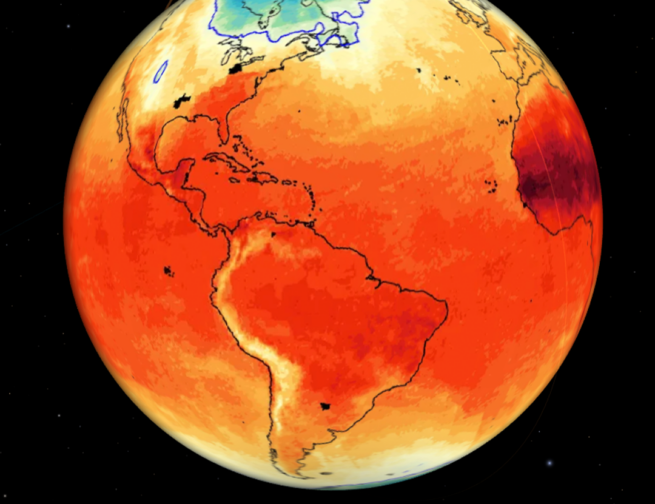
How Astronomy Helps Us Understand Climate Change
As Earth faces a global climate crisis, how can we use and learn from astronomy to help us understand what a changing climate means?
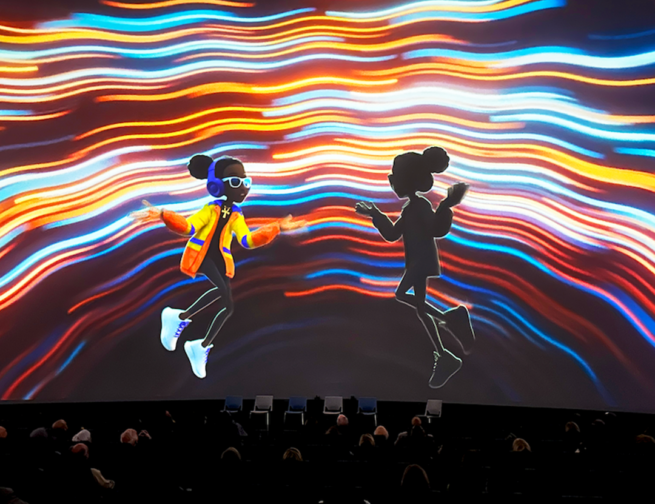
The Top Three Multiverse Theories: Many Worlds, Bubble Universes, And Shadow Matter
What is multiverse theory? Dive deeper into the multiverse theories explored in the Adler Planetarium’s sky show, Niyah and the Multiverse—many worlds, bubble universe, and shadow matter theories.
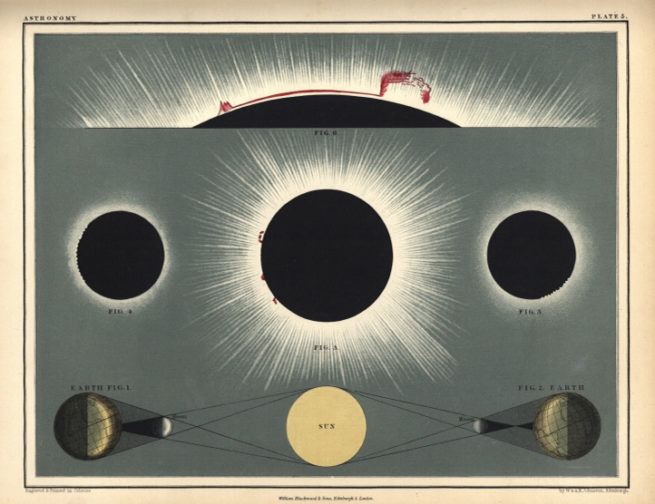
Types of Eclipses: Lunar Eclipses and Solar Eclipses Explained
Learn how eclipses occur and the types of eclipses, solar and lunar, that occur when the phase of the Moon and the alignment of the Sun, Moon and Earth is just right.
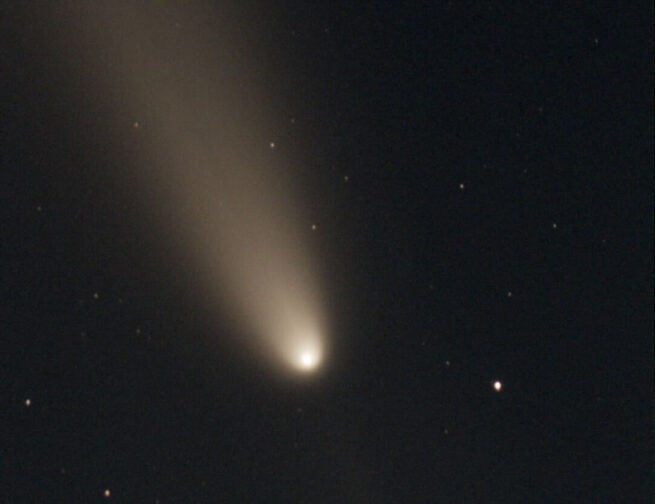
Everything You Need To Know About Comet Tsuchinshan-ATLAS AKA Comet C/2023 A3
Here’s an introduction to Comet C/2023 A3—the latest bright comet to grace our skies in the inner solar system.
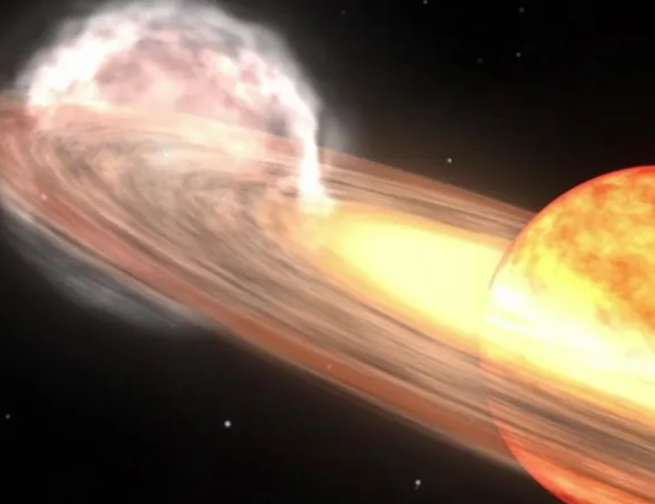
Novas Vs. Supernovas: What’s The Difference?
What is the difference between a nova and a supernova, and what causes them to explode? Adler Astronomer, Dr. Geza Gyuk explains.
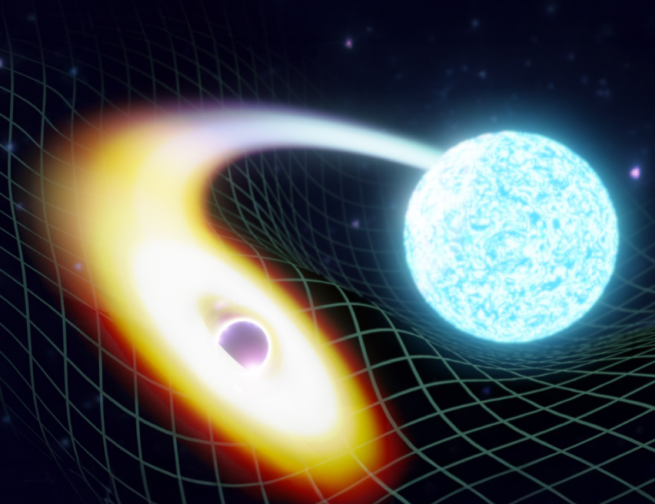
Gravitational Waves Unveil The Lightest Black Hole Yet
Gravitational wave GW230529 led to the discovery of a black hole in the mass gap and the lightest black hole ever observed. Adler Planetarium’s astrophysicist Dr. Michael Zevin co-lead the project and explains the findings.
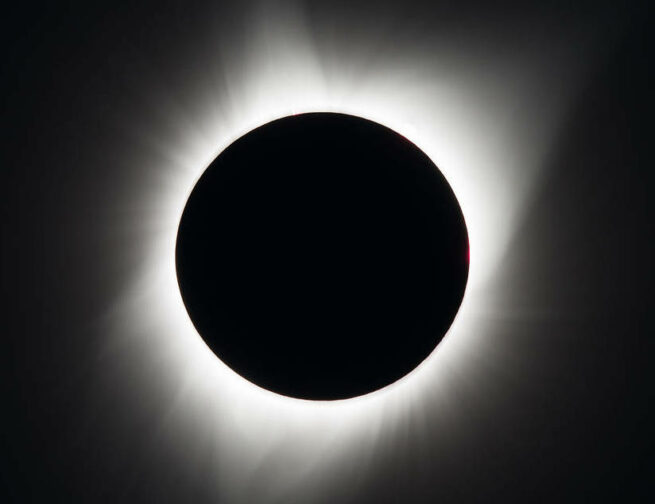
Everything You Need To Know About The April 2024 Total Solar Eclipse
Here’s everything you need to know about the April 8, 2024, partial solar eclipse or annular solar eclipse (depending on your location).
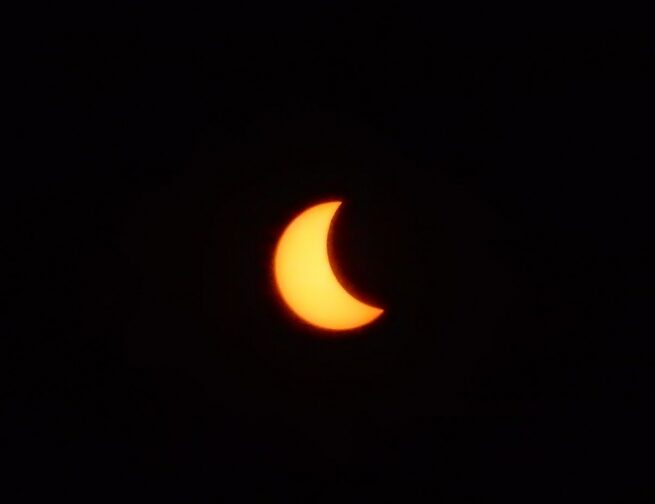
Everything You Need To Know About The October 2023 Partial Solar Eclipse
Here’s everything you need to know about the October 14, 2023, partial solar eclipse or annular solar eclipse (depending on your location).